Why Song Recognition Sometimes Fails and How to Improve Your Results
You hear a song you want to identify and immediately open a music recognition app. You hold up your phone, wait a few seconds, and expect an answer.
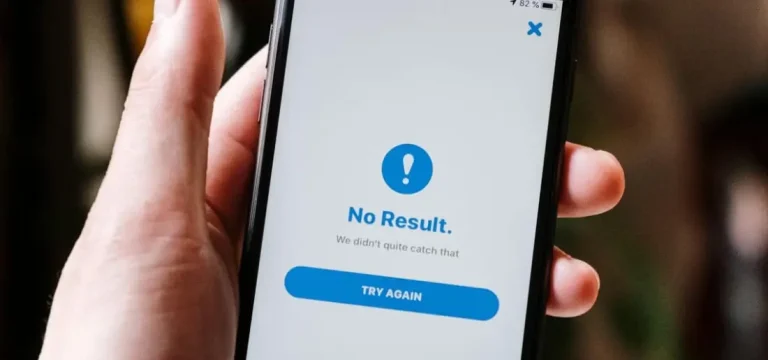
Instead, you get a message saying the song couldn’t be found.
You try again. Still no result.
This can be frustrating, especially when the song is playing clearly enough for you to hear it. Many people assume the app is broken when this happens, but song recognition failures are actually quite common.
The good news is that most failed searches have a simple explanation. Understanding why song recognition tools struggle can help you improve your results and increase your chances of finding the song.
Here are the most common reasons song recognition sometimes fails and what you can do about it.
1. The audio is not clear enough
One of the biggest reasons song recognition fails is poor audio quality.
Music recognition tools work by analyzing the sound they hear and comparing it with recordings stored in their databases. If the audio is distorted, interrupted, or covered by other noises, the app may not have enough information to find a match.
This often happens in busy places such as restaurants, shopping centers, parties, or crowded events where multiple sounds compete with the music.
Voiceovers in videos can cause similar problems.
To improve your results, try moving closer to the source of the music or replaying the audio at a higher volume. If possible, reduce background noise before attempting another search.
The clearer the audio, the better the recognition tool can perform.
2. The song is missing from the database
Even the best song finder tools don’t contain every song ever released.
Some tracks may be brand new, independently published, region-specific, or available only on certain platforms. If a song isn’t included in a tool’s database, it cannot be identified no matter how clearly it is playing.
This is one reason why a song might fail on Shazam but work on SoundHound or another recognition service.
Different platforms maintain different music databases and licensing agreements.
If one app doesn’t find the song, try another. Using multiple song recognition tools often improves your chances of success.
YouTube Music, SoundHound, and browser-based recognition tools can sometimes identify tracks that others miss.
3. The song has been edited or modified
Modern social media platforms are full of altered music.
Songs are frequently slowed down, sped up, remixed, pitch-shifted, or combined with sound effects before being uploaded to TikTok, Instagram Reels, and YouTube Shorts.
These modifications can make recognition much harder because the audio no longer matches the original recording stored in the database.
If you suspect the song has been edited, try searching for the original version using multiple tools. YouTube Music can be particularly useful because its library often includes remixes, covers, and user-uploaded variations.
You can also search for lyrics, check comments, or ask online communities if recognition apps fail.
What to keep in mind
Song recognition technology has improved dramatically, but it is not perfect.
Poor audio quality, missing database entries, and edited versions of songs can all prevent an instant match.
The best strategy is to combine multiple methods instead of relying on a single app. If Shazam fails, try SoundHound. If recognition tools don’t work, search for lyrics or ask online communities for help.
Most songs can eventually be identified with enough persistence and the right approach.
To recap, song recognition usually fails because of unclear audio, missing songs in recognition databases, or heavily edited recordings. By improving audio quality, trying multiple tools, and exploring alternative search methods, you can significantly increase your chances of finding the song you’re looking for and solving even the toughest music mysteries.