How to Find a Song When Shazam Can’t Help
When Shazam can’t find a match, these three proven approaches can help: try other recognition apps, search using lyrics, and ask real people online
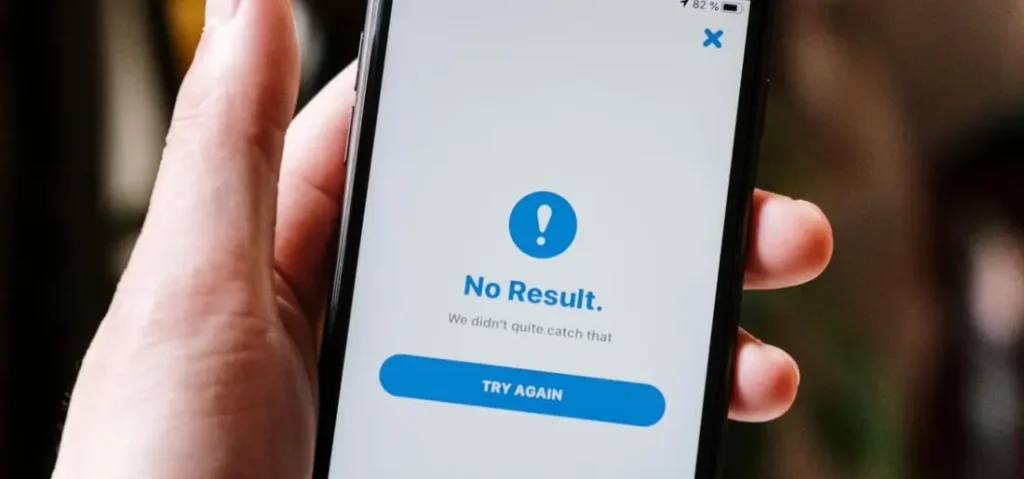
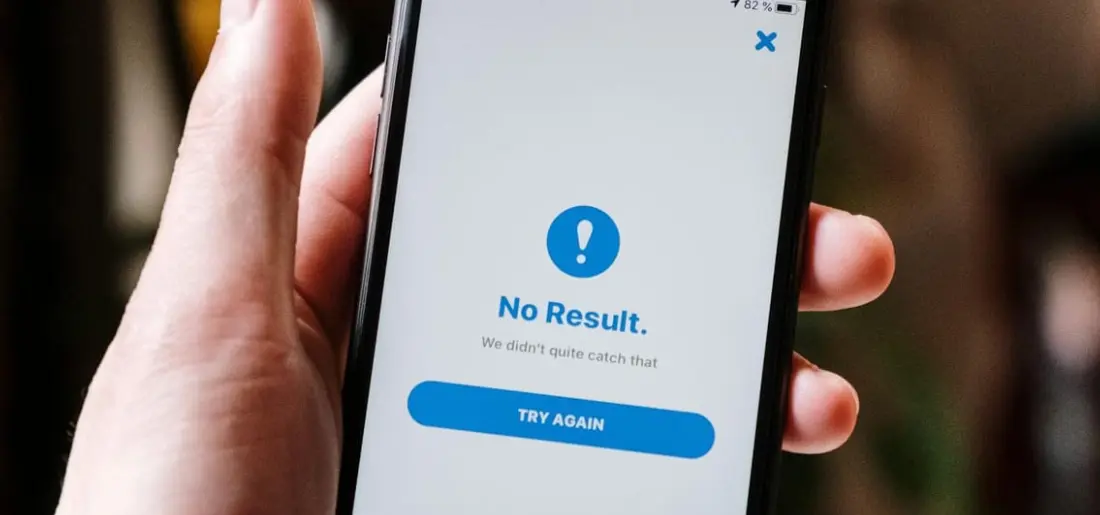
You hear an amazing song and immediately reach for your music recognition app. A few seconds later, you’re greeted with a disappointing message: no match found. You try recording again, move closer to the speaker, or even hum the melody yourself, but the result stays the same.
If this has happened to you, you’re not alone. Music recognition tools are incredibly useful, but they’re not perfect. Background conversations, poor audio quality, live performances, remixes, or newly released tracks can all make recognition more difficult.
Fortunately, a failed search doesn’t mean the song is lost forever. There are several reliable ways to identify music when your usual recognition app comes up empty.
1. Use Alternative Song Recognition Tools
One of the most common reasons a song isn’t identified is that it simply isn’t available in the app’s database yet.
Different music recognition services rely on different collections of songs and audio fingerprints. Because of this, trying another platform can often produce a result even when your first attempt fails.
SoundHound is one of the most popular alternatives. It is especially effective when searching with humming, singing, or whistling. Many users find it particularly useful for Pop and Rock music.
YouTube Music also includes a built-in song recognition feature. It takes advantage of YouTube’s enormous library of music videos, uploads, and user-generated content.
This can be especially helpful if the song you’re searching for is a remix, slowed version, sped-up edit, or another modified variation. Since these versions are frequently uploaded to YouTube, they may be easier to recognize there.
If you already have an audio or video file, web-based tools such as AHA Music and AudioTag allow you to upload recordings directly for analysis. They work entirely online and usually require no installation or registration.
2. Search Using Lyrics
If you can make out even a small portion of the lyrics, you’re already in a strong position.
Websites such as Musixmatch, Genius, and AZLyrics let you search songs using words or phrases from the lyrics. Their databases contain millions of songs, making lyric search one of the most effective identification methods available.
You can also search directly through Google by placing the lyrics you remember inside quotation marks.
One advantage of lyric searching is that it doesn’t always require perfect accuracy. Even partially remembered phrases or slightly incorrect wording can still lead you to the correct song.
For example, many people search using lyrics they misheard. A phrase that sounds completely different from the actual words may still be enough to uncover the track you’re looking for.
Try experimenting with multiple versions of the lyrics:
- “dancing in the moonlight” lyrics
- “dancing in the moon” song
- song that goes “something moonlight”
Different searches can often point to the same result.
If the song contains little or no lyrics, try describing what you hear instead. Search for the instruments, mood, genre, or style of the track.
YouTube can be surprisingly effective for this. Its search system indexes titles, descriptions, comments, and captions, which sometimes makes descriptive searches more useful than expected.
3. Ask People Online
When technology can’t identify a song, real people often can.
Social media platforms are filled with music enthusiasts who enjoy helping others solve song mysteries. Many obscure tracks that fail recognition tools are instantly recognized by someone who happens to know them.
Platforms such as Instagram and TikTok frequently display music information directly on videos and stories. Before searching elsewhere, check whether the song has already been tagged by the creator.
If it hasn’t, consider asking in the comments or messaging the person who posted the content. Often, someone else has already asked the same question and received an answer.
For more difficult searches, dedicated communities can be extremely helpful.
Popular options include:
- r/tipofmytongue
- r/NameThatSong
- WatZatSong
These communities regularly help identify songs from short recordings, humming clips, lyric fragments, and even vague descriptions.
The biggest advantage of asking real people is their ability to recognize songs that may never appear in music recognition databases, especially rare, local, unreleased, or hard-to-find tracks.
A Few Final Thoughts
Sometimes a song simply isn’t identifiable yet. It may be too new, unavailable online, or missing from current recognition databases.
That doesn’t mean the search is over.
A track that cannot be identified today may become easier to find in the future as databases grow, videos are uploaded, and more people discover it. Returning to the search later can often lead to success.
To summarize, when music recognition apps fail, try alternative recognition tools, search using lyrics or descriptions, and reach out to online communities. Combining these methods gives you the best chance of identifying even the most difficult songs.
With a little patience and the right approach, you’ll often find the answer you’re looking for.